The waste challenge on modern pig farms
Pig farms generate waste that must be handled with care, from routine by-products to fallen stock. The exact approach will depend on local regulations, farm size, veterinary guidance and the type of material being disposed of. What remains consistent is the need for a system that is hygienic, practical and easy for trained staff to follow.
Without a clear process, animal waste disposal can become reactive. Teams may end up storing material longer than intended, moving it through busy areas or waiting for external services at inconvenient times. That creates pressure on staff and can make good housekeeping harder to maintain.
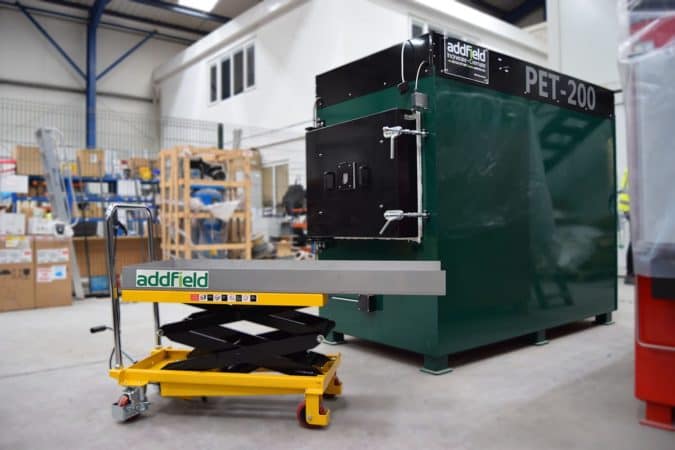
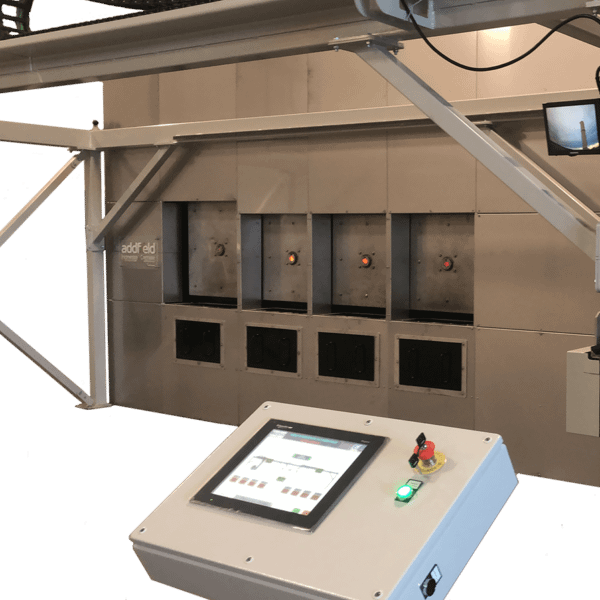
Addfield incinerators help address this challenge by bringing disposal closer to the point of need. Rather than treating waste as an afterthought, farms can build it into their daily biosecurity and site management plans. This is particularly useful for producers who want a more controlled, visible and accountable method of managing sensitive waste.
How Addfield incinerators support better day-to-day control
A well-chosen incinerator improves waste management by making the process more structured. It gives teams a designated piece of equipment for a defined job, rather than relying on temporary storage or ad hoc arrangements. That clarity helps reduce mistakes and supports better standards across the site.
In practical terms, Addfield incinerators can support farms by helping them:
- Reduce waiting time for disposal: Waste can be managed when the farm is ready, rather than only when a collection is available.
- Limit unnecessary site access: Fewer collection visits may mean fewer vehicles and people entering working areas.
- Improve hygiene routines: A dedicated disposal process helps staff keep waste away from feed, housing and clean zones.
- Support record keeping: A consistent procedure makes it easier to log disposal activity and demonstrate responsible management.
- Control odour and pests: Timely disposal can reduce the issues associated with storing animal waste for longer than necessary.
These benefits depend on selecting the right machine, installing it properly and training operators. Incineration is not a shortcut; it is a controlled process that works best when it sits inside a wider farm management plan.
What makes a pig incinerator suitable for farm use?
A pig incinerator is suitable for farm use when it matches the type, volume and frequency of waste the site needs to manage. The right machine should be practical for staff to load, robust enough for routine use and appropriate for the farm’s operating environment. It should also fit the relevant permissions and emissions requirements in the location where it will be used.
Before choosing a system, farms should think carefully about their real working pattern. A unit that is too small may create bottlenecks, while one that is larger than needed may be less efficient for everyday use. The best choice is usually based on realistic disposal needs rather than a rough estimate or a one-off busy period.
Useful questions to ask include:
- What type of animal waste will be incinerated? Fallen stock, by-products and other materials may have different handling requirements.
- How often will the machine be used? Daily, weekly or occasional use will influence capacity and workflow.
- Who will operate it? Staff should be trained, confident and clear on loading, running and safety procedures.
- Where will it be installed? The location should support safe access, ventilation, fuel supply and separation from sensitive areas.
- What rules apply locally? Farms should check environmental, animal by-product and planning requirements before purchase and use.
This planning stage is where specialist incineration solutions can make the biggest difference. By matching the machine to the farm, operators are more likely to get reliable performance and a process that staff can maintain properly.
Biosecurity benefits begin with fewer uncontrolled movements
Biosecurity is one of the strongest reasons many livestock businesses review on-site incineration. Every unnecessary movement of waste, vehicle or person can create another point to manage. While no single system removes all risk, a controlled disposal process can help reduce avoidable contact and keep waste handling within a defined area.
For pig farms, this can support better separation between clean and dirty zones. Waste can be transferred to the incinerator using an agreed route, handled by trained staff and processed without waiting for third-party collection from sensitive areas. This makes procedures easier to teach and easier to audit.
The result is a more disciplined approach to pig waste management. Staff know where waste goes, how it should be moved and what must happen after disposal. That consistency is valuable because biosecurity is built from repeatable behaviours, not occasional deep cleans alone.
Operational efficiency and staff confidence
Waste disposal can consume more time than expected when there is no clear system. Staff may need to coordinate collections, prepare access, manage temporary storage or deal with issues caused by delays. Over time, those interruptions can affect productivity and morale.
Addfield incinerators can help create a more predictable routine. Once staff understand the process, disposal becomes part of normal site management rather than an urgent problem. This is especially helpful in larger or busier pig units, where small inefficiencies can quickly multiply.
A practical operating routine might include:
- Checking the incinerator before use and confirming it is safe to operate.
- Moving animal waste using approved equipment and agreed routes.
- Loading the chamber according to the manufacturer’s guidance.
- Running the cycle as instructed, without overloading or interrupting the process unnecessarily.
- Allowing suitable cooling time before removing ash.
- Cleaning the surrounding area and recording the disposal activity.
This kind of routine gives staff confidence because it removes guesswork. It also helps managers maintain standards, identify training needs and spot problems before they become costly.
Are incineration solutions environmentally responsible?
Incineration solutions can be part of a responsible waste management strategy when they are properly specified, legally permitted and operated according to guidance. The environmental value comes from controlled treatment, reduced storage issues and fewer waste movements, not from simply burning material without oversight. Farms should always consider emissions requirements, fuel use, maintenance and local regulations before installing or operating any incinerator.
Responsible use also means choosing the right equipment for the job. A machine designed for animal waste disposal will be better suited to the task than improvised or unsuitable methods. Correct loading, regular servicing and trained operation all help the incinerator perform as intended.
It is also important to view incineration as one part of the wider waste hierarchy. Farms should still reduce avoidable waste where possible, separate materials correctly and follow veterinary and environmental advice. Addfield incinerators are most effective when they support a thoughtful, compliant system rather than replace good management practices.
Innovative Waste-to-Energy Solutions by Addfield
Lorem ipsum dolor sit amet, consectetur adipiscing elit. Suspendisse tempus id mauris vitae volutpat. Cras dapibus, lacus ac scelerisque ullamcorper, tortor erat blandit ligula, ac bibendum erat urna in felis. Vivamus eu nunc leo. Etiam convallis suscipit est placerat scelerisque. Etiam ut arcu in ex hendrerit scelerisque. Suspendisse mollis enim vel urna condimentum condimentum. Vivamus libero lacus, vestibulum a orci ac, consectetur lobortis felis. Ut tristique gravida ante vestibulum cursus. Aliquam porta ipsum et lacus egestas, quis facilisis justo sollicitudin. Nulla lacinia, eros quis blandit lacinia, sem ex pharetra urna, pulvinar rhoncus velit sem ut lacus. In tempor purus ac felis tincidunt venenatis. Curabitur a finibus nulla.
Lorem ipsum dolor sit amet, consectetur adipiscing elit.
Lorem ipsum dolor sit amet, consectetur adipiscing elit. Suspendisse tempus id mauris vitae volutpat. Cras dapibus, lacus ac scelerisque ullamcorper, tortor erat blandit ligula, ac bibendum erat urna in felis. Vivamus eu nunc leo. Etiam convallis suscipit est placerat scelerisque. Etiam ut arcu in ex hendrerit scelerisque. Suspendisse mollis enim vel urna condimentum condimentum. Vivamus libero lacus, vestibulum a orci ac, consectetur lobortis felis. Ut tristique gravida ante vestibulum cursus. Aliquam porta ipsum et lacus egestas, quis facilisis justo sollicitudin. Nulla lacinia, eros quis blandit lacinia, sem ex pharetra urna, pulvinar rhoncus velit sem ut lacus. In tempor purus ac felis tincidunt venenatis. Curabitur a finibus nulla.
How much does a pet cremation machine cost in Canada?
Tell us your expected cremation volume, and the industry you are inand we’ll give you a real number, not a range that doesn’t apply to you.
Do I need a permit to operate a pet incinerator in Canada?
Most provinces require an air emissions or environmental operating permit for cremation/incineration equipment, and requirements differ by province and municipality.